The Symbolism of the Color Yellow
Yellow is the brightest and most joyful color in the spectrum — associated with the life-giving power of the sun, but equally with poison, betrayal, and cowardice. An ambivalent color in every sense.
–
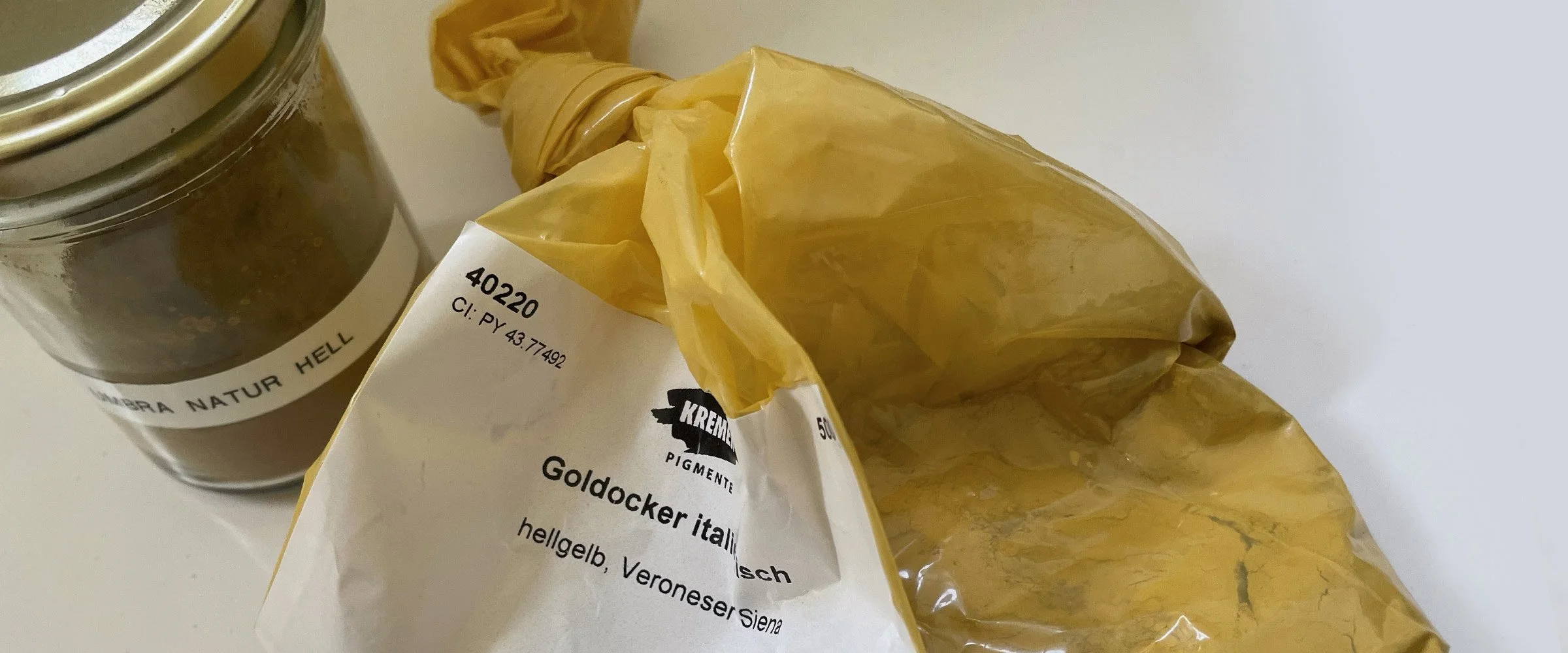
Yellow ochre pigments in my studio
>
How We Perceive Yellow
Yellow, alongside blue (cyan) and red (magenta), is one of the three pure primary colors. As the lightest hue in the color wheel, it stands in direct complementary opposition to violet — the darkest.
We perceive yellow when light with wavelengths between approximately 565 and 575 nanometers dominates the spectrum.
The Double-Edged Color
Yellow‘s ambivalence may explain why it ranks among the least favored colors in Western cultures. Its symbolic range spans joy and vitality on one end, poison and bile on the other — from happiness and harmony to the color of the outcast and the condemned.
Yellow does not merely carry contradictory meanings; it embodies duality itself. The sun is yellow, and the brighter its light, the deeper the shadows it casts. In this sense, it is fitting that the symbolic associations of this color cover a wide, dualistic spectrum between good and evil — each conditioning the other.
The specific tone matters greatly: a slight gray cast makes yellow appear dirty, a shift toward green renders it sour, bitter, or toxic, while a warm, saturated yellow evokes sunflowers or egg yolk.
+

detail from Amber Field | Breath Meditation N°105
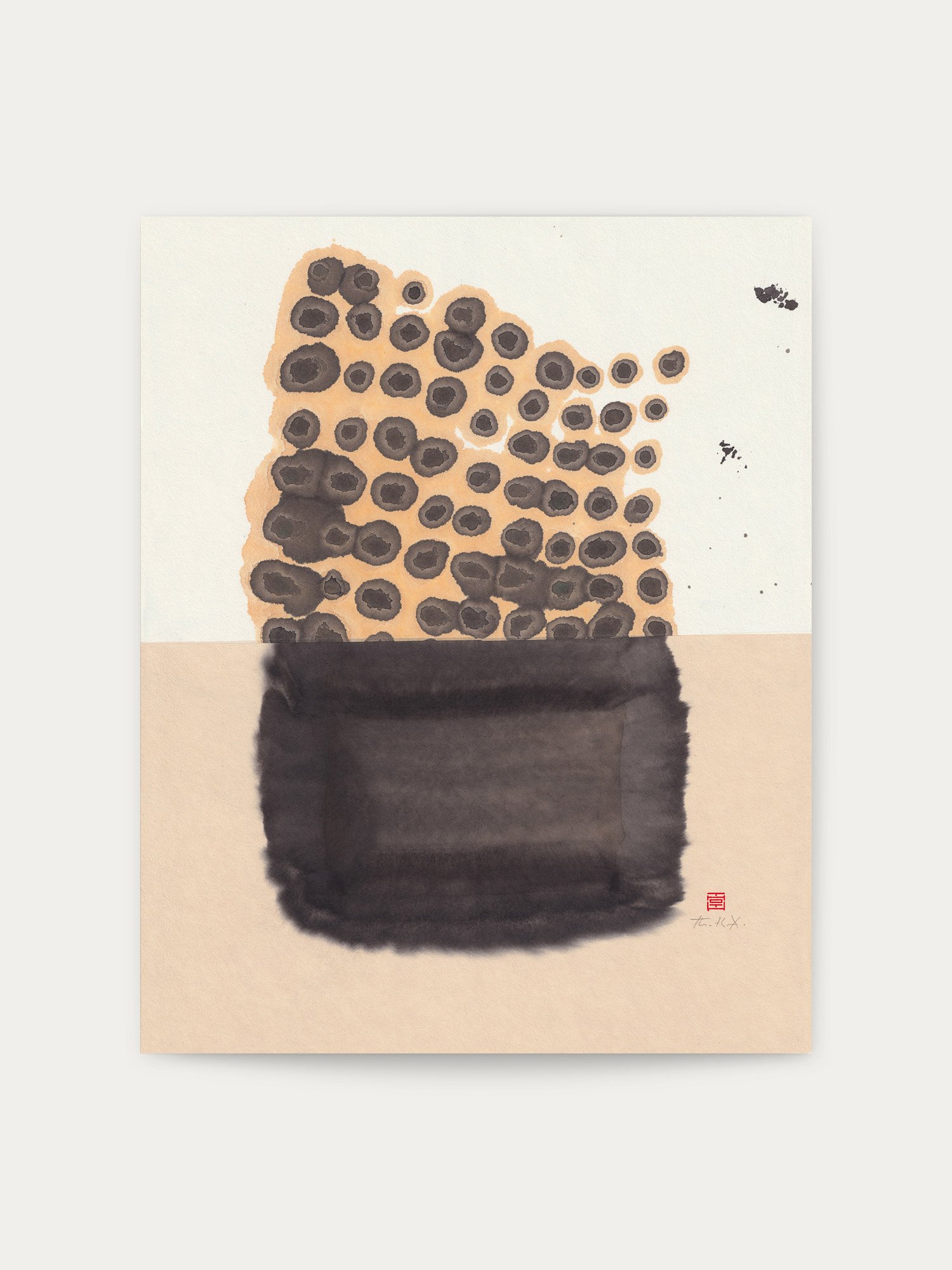
Fragmentation N°41
[
The Darker Side of Yellow
Judas, the betrayer, is traditionally depicted in yellow robes. Envy, malice, cowardice, deceit, jealousy, and egotism are among the many negative qualities associated with this color — as are sulfur, poison, pus, and disgrace.
In the Middle Ages, prostitutes, executioners, Jews, and other marginalized groups were required to mark themselves with yellow clothing or paint their doors yellow. This form of discrimination was repeated in the Third Reich, when Jews were forced to wear the yellow Star of David.
The Brighter Side of Yellow
Alongside its darker associations, yellow carries an equally strong positive dimension. As a warm color, it is linked to light, sun, alertness, intellect, and creativity — to the vital impulse itself.
Further positive connotations include spirituality, optimism, warmth, joy, and enlightenment. In many cultures, sun deities were depicted in yellow garments and associated with fertility, vitality, and the harvest. Yellow often serves as a stand-in for gold, and with it, wealth and power.
/

Three Breath Meditations using yellow ochre pigments
Yellow as Warning
Yellow combined with black is visible from a great distance and commands attention through its aggressive contrast. Black lettering on a yellow ground has the greatest legibility at distance of any color combination.
Both nature — the fire salamander, the hornet — and human civilization — warning signs, barriers, the plague flag flown on ships — have long exploited this effect to signal danger.
Yellow in Chinese Philosophy
In China, yellow represents Yang, the masculine energy, assigned to the active and creative principle. Like the yellow loess of the Yellow River, it is associated with the element of Earth, the center, and fertility.
It further carries connotations of patience, tolerance, wisdom, and forbearance — qualities that made it the imperial color in ancient China. Only the emperor and Buddhist monks were permitted to wear saffron yellow.
In interior design, yellow is considered particularly suited to workrooms and living spaces, where it stimulates the mind and encourages creative thought.
<
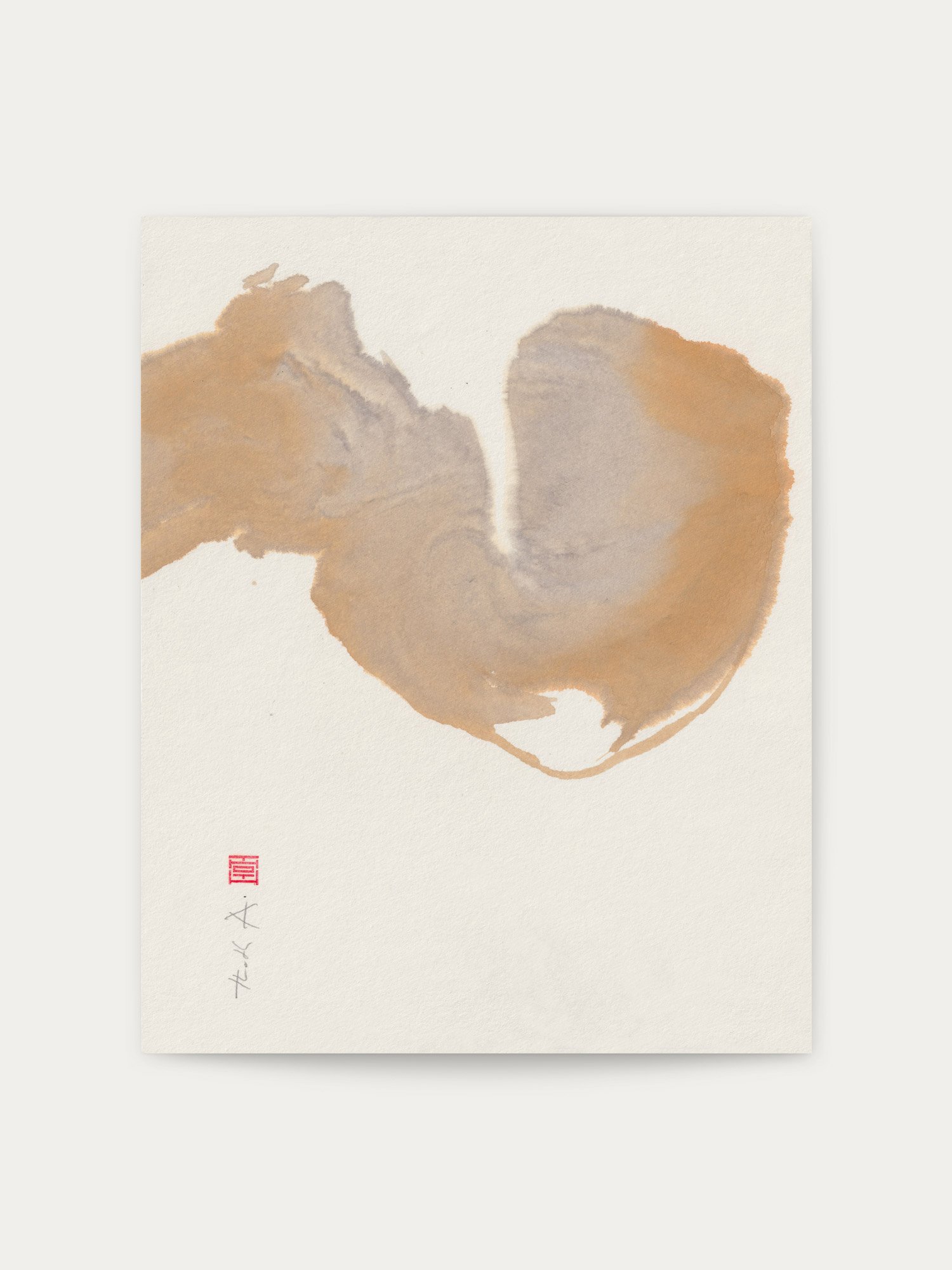
Yellow Movement | Track N°3
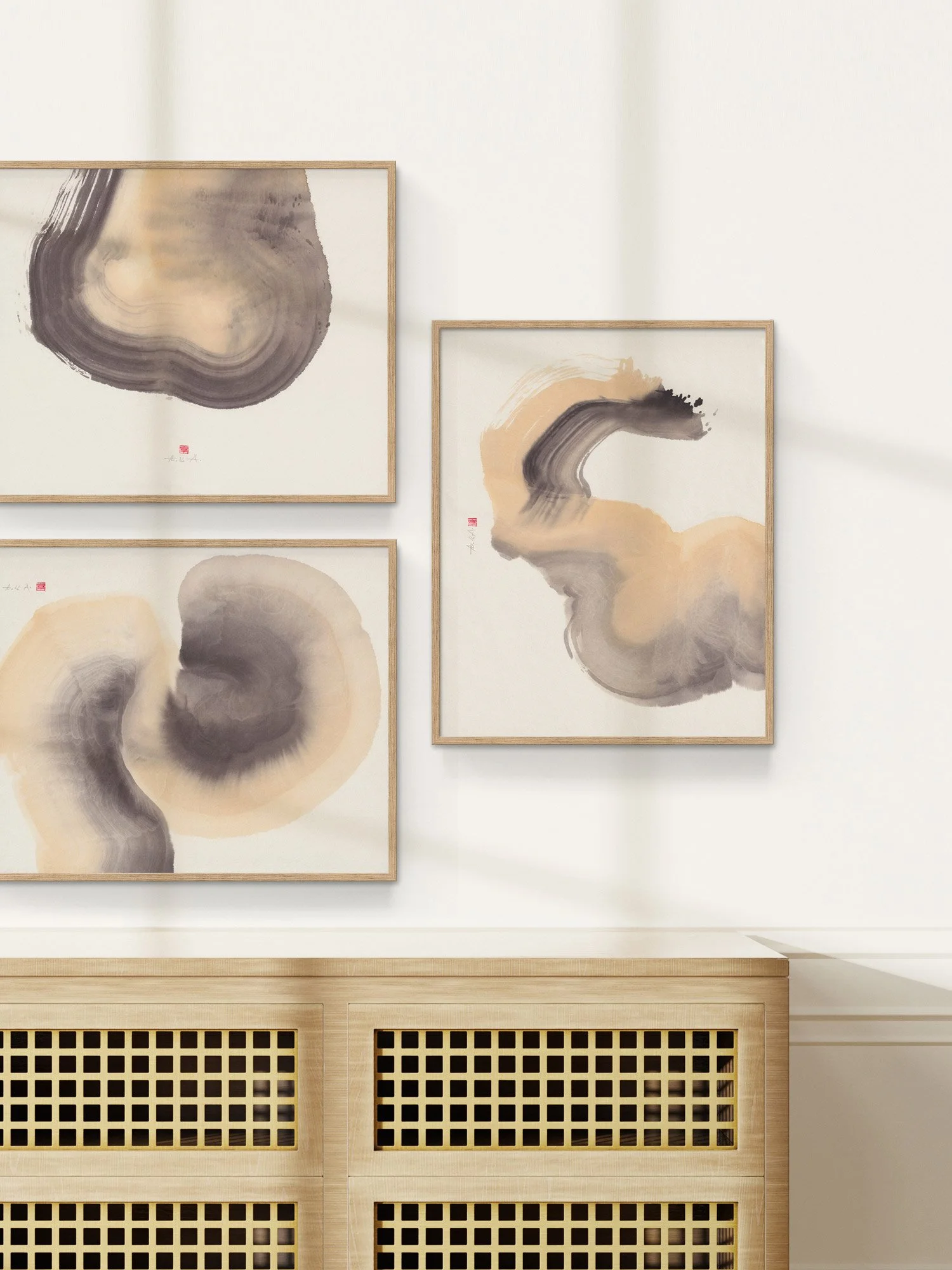
Angel‘s Trio
:
Curious about other Colors? (coming soon)
> Red
> White
> Yellow
> Orange
> Purple
> Blue
> Turquoise
> Green
> Brown
> Black
> Gray
> Silver
> Gold